
Vermont residents, especially seniors, face a surge in unwanted robocalls and texts from marketing to fraudulent schemes. Despite Do Not Call laws and spam regulations, protection is not foolproof. Robocall lawyers in Vermont specialize in blocking calls and holding perpetrators accountable under the Telephone Consumer Protection Act (TCPA). Data shows over 70% of households receive monthly unwanted calls. Reporting incidents to the FTC and local law enforcement is advised. Do Not Call law firms represent clients against violators, preserving peace of mind and protecting personal info. Enrolling in the National Do Not Call Registry, using call-blocking apps, and consulting a robocall lawyer Vermont are key strategies for mitigation.
Vermont seniors are increasingly plagued by a relentless wave of unwanted robocalls and texts, posing a significant nuisance and security risk. Automated messages from telemarketers and scammers inundate their phones, offering dubious services or attempting fraudulent transactions. This epidemic has prompted a critical need for effective solutions to protect Vermont residents’ privacy and peace of mind.
Robocall lawyers in Vermont and spam call law firms specializing in Do Not Call laws are the key to combating this modern-day nuisance. With robust legal expertise and understanding of Vermont’s specific robocall laws, these professionals offer vital guidance and representation to put an end to unwanted communication.
Understanding Robocalls and Texts in Vermont

Vermont residents, especially seniors, face a growing challenge from robocalls and unwanted texts. These automated communications, often intrusive, can range from marketing messages to fraudulent schemes. Understanding the legal landscape is crucial for effective navigation. Vermont’s Do Not Call laws, reinforced by robust spam call regulations, offer protections but are not foolproof against persistent offenders. Robocall lawyers and attorneys in Vermont specialize in these issues, providing guidance on blocking calls and holding perpetrators accountable.
Robocalls and texts from unknown or unfamiliar numbers are common irritants. According to recent data, over 70% of Vermont households report receiving unwanted robocalls monthly. While many senior citizens may be targeted due to perceived vulnerabilities, anyone can fall victim. For example, a popular scam involves pretending to be from a government agency, demanding immediate payment for non-existent fines. Expert lawyers advise that such incidents should be reported immediately to both the Federal Trade Commission (FTC) and local law enforcement.
In terms of legal recourse, Vermont’s robocall laws align with federal regulations under the Telephone Consumer Protection Act (TCPA). A robocall lawyer in Vermont can assist in interpreting these laws and pursuing action against violators. This may involve sending cease-and-desist letters or filing lawsuits for monetary damages and injunctive relief. Do Not Call law firms in Vermont are also well-versed in representing clients, ensuring their rights are protected. With the ever-evolving nature of spam calls and texts, staying informed and engaging legal counsel when necessary is vital to maintaining a peaceful and safe communication environment.
Your Rights: Vermont's Do Not Call Laws

Vermont seniors, like all citizens, have rights when it comes to unwanted robocalls and texts. The state’s Do Not Call laws offer a robust framework to protect individuals from intrusive telemarketing practices. These laws are designed to give Vermonters control over their communication channels, ensuring that their personal privacy is respected. According to the Federal Trade Commission (FTC), senior citizens are often targeted by robocallers due to their perceived vulnerability, making it crucial for them to be aware of their rights and available legal remedies.
In Vermont, the Do Not Call laws are enforced by the Attorney General’s Office, which actively prosecutes violators. The state’s law mirrors federal regulations under the Telephone Consumer Protection Act (TCPA), allowing individuals to register complaints against companies or individuals who make unwanted calls or texts. A robocall lawyer Vermont or spam call attorney Vermont can guide seniors through this process, helping them file official complaints and potentially seek legal action against persistent violators. Do Not Call law firms in Vermont specialize in these matters, offering expert advice tailored to state laws.
To protect yourself, it’s essential to familiarize yourself with the law. Vermont’s Do Not Call Registry allows residents to opt-out of most telemarketing calls and texts. By registering, you can significantly reduce the volume of unwanted communication. Moreover, if you suspect a violation, document the calls, including dates, times, and the company or individual involved. This evidence can be invaluable when reporting spam calls to a Vermont robocall lawyer or Do Not Call law firm. Understanding your rights and taking proactive measures are key to mitigating the nuisance of robocalls and texts in Vermont.
Stopping Spam Calls: Legal Recourse for Seniors
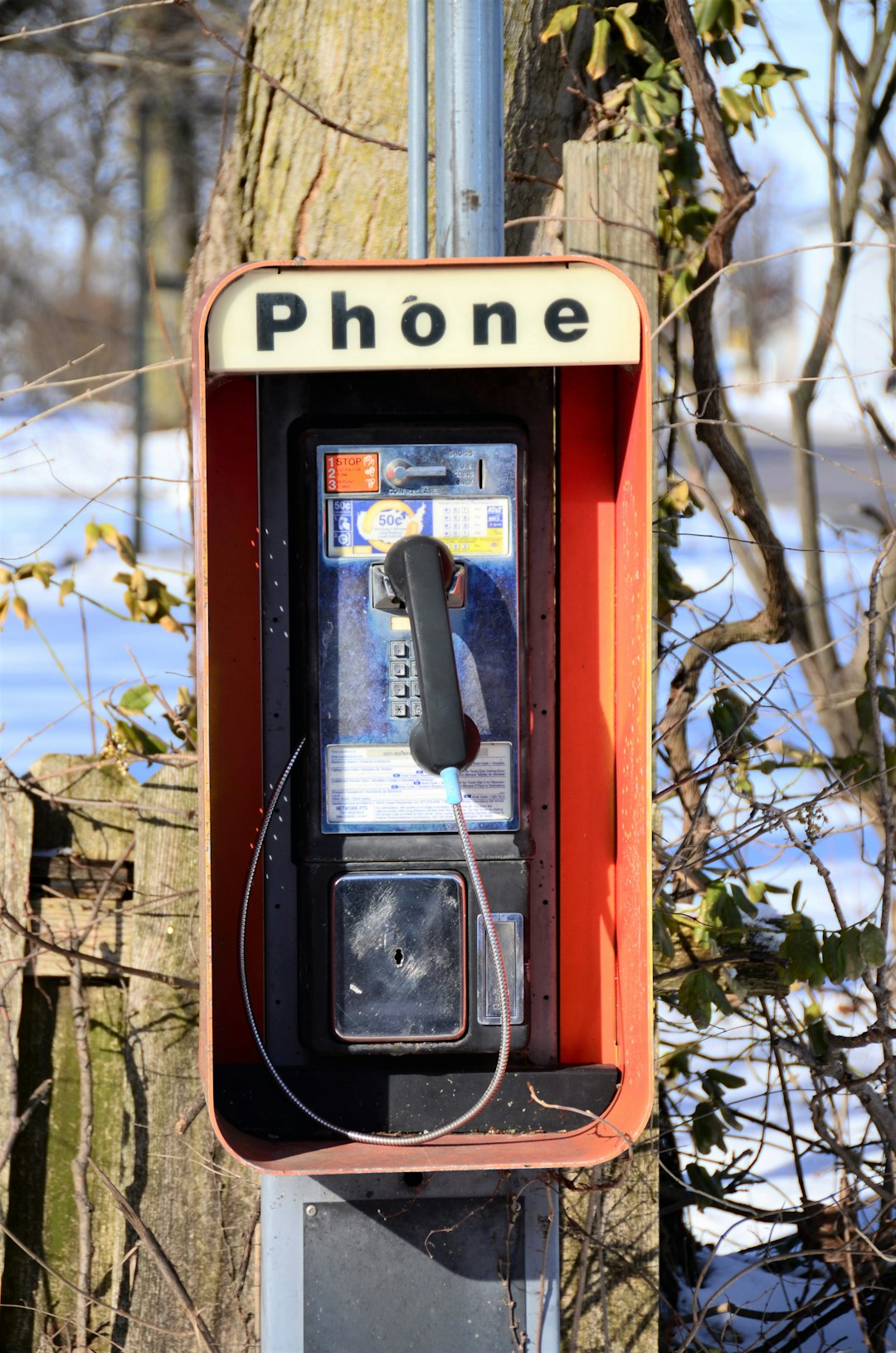
Vermont seniors increasingly face a modern nuisance: robocalls and spam texts. These automated messages, often promoting dubious products or services, can be relentless. While many strategies exist to mitigate these calls, understanding legal recourse is vital for effective protection. In Vermont, state laws and federal regulations offer substantial safeguards against unwanted communication, with robust penalties for violators. A robocall lawyer in Vermont or a spam call attorney can guide seniors through these laws, ensuring they know their rights and have the necessary tools to stop these relentless intrusions.
The Telephone Consumer Protection Act (TCPA) at the federal level and Vermont’s own Do Not Call laws provide a framework for action. The TCPA prohibits automated calls to mobile phones without prior express consent, while Vermont’s law expands protection to include landlines. Seniors should register their numbers on the National Do Not Call Registry. Moreover, any individual who receives more than 10 untried marketing calls per month can file a complaint with the Federal Trade Commission (FTC). A robocall lawyer in Vermont can help navigate these processes and pursue legal action against offending companies or call centers.
For instance, in recent years, numerous class-action lawsuits have been filed against telemarketers who ignored Do Not Call requests, resulting in substantial settlements. These cases underscore the effectiveness of the law and the importance of individual action. Seniors experiencing persistent spam calls or texts should document the incidents, including timestamps, call numbers, and messages. This evidence can be crucial when filing complaints or pursuing legal action through a robocall attorney in Vermont. Taking proactive measures to stop these intrusions not only protects seniors’ peace of mind but also helps preserve their personal information and privacy.
Engaging a Robocall Lawyer in Vermont

Vermont seniors dealing with relentless robocalls and unwanted texts can find respite through specialized legal assistance. Engaging a robocall lawyer in Vermont is a strategic move to combat the surge of automated communication that has become a ubiquitous nuisance. These professionals are adept at navigating the complex landscape of spam call laws, which vary from state to state, ensuring that your rights as a consumer are protected. In Vermont, where privacy laws are stringent, a robocall attorney can provide crucial guidance on how to file complaints and take legal action against persistent violators.
The growing number of automated marketing calls and texts, often characterized by pre-recorded messages and deceptive practices, has prompted state and federal regulators to tighten regulations. Vermont’s Do Not Call law firm, in conjunction with the Federal Trade Commission (FTC), enforces strict guidelines for telemarketers. A robocall lawyer in Vermont can help seniors understand their rights under these laws, which include the right to seek damages for violations. For instance, if a senior has received unwanted calls or texts from out-of-state companies, a lawyer can assist in determining jurisdiction and the most effective course of legal action.
Practical advice for Vermont residents facing this issue includes maintaining detailed records of suspicious calls and texts, including timestamps, call sources, and content. These records can serve as compelling evidence when filing complaints with the FTC or state attorney general’s office. Moreover, consumers should familiarize themselves with the Do Not Call Registry and ensure their personal information is not shared unnecessarily. By collaborating with a robocall lawyer Vermont residents can gain a powerful ally in the ongoing battle against intrusive automated communications.
Effective Strategies to Block Unwanted Messages

Vermont seniors, particularly those who are tech-savvy yet privacy-conscious, often face a persistent challenge from unwanted robocalls and text messages. While automation has its benefits, the deluge of promotional messages can be intrusive and distressing. This section offers practical strategies to combat this issue, focusing on effective methods to block unwanted communication, with a special emphasis on legal protections available in Vermont.
One powerful tool is enrolling in the National Do Not Call Registry, a federal database that restricts telemarketers from contacting registered numbers. However, for more tailored protection against robocalls and spam texts, consulting a robocall lawyer Vermont or a spam call law firm Vermont can be immensely helpful. These legal experts can guide you through state-specific laws like the Vermont Do Not Call Law, which makes it illegal for businesses to make telemarketing calls to consumers who are on the Do Not Call List. A robust law firm specializing in robocall laws Vermont can provide advice on how to file complaints and take legal action when necessary.
Beyond legal recourse, several technological solutions can significantly reduce unwanted messages. Advanced call-blocking apps, for instance, learn your preferences and automatically block known telemarketers and spammers. Some smartphones also have built-in features that allow users to identify and block specific numbers or types of calls. Regularly reviewing and updating these settings is crucial as new robocall tactics emerge. For text messages, utilizing messaging apps with robust spam filter options and reporting suspected spam can help train the system to better protect against unwanted texts. Remember, staying informed about your rights and employing both legal and technological strategies can make a substantial difference in minimizing the intrusiveness of robocalls and texts.
Related Resources
Here are 5-7 authoritative related resources for an article about “Stop Robocalls Texts for Vermont Seniors”:
- Federal Trade Commission (Government Portal) (Government Agency): [Offers official guidance and resources on protecting against robocalls and spam texts.] – https://www.ftc.gov/
- Vermont Attorney General’s Office (Official Website) (Government Resource): [Provides state-specific information on consumer protection, including tips on dealing with robocalls.] – https://www.vermont.gov/ag/
- Aging and Disability Services (Vermont State Agency) (Community Resource) (Government Service): [Offers support and resources for seniors, including advice on managing unwanted calls and texts.] – https://www.vermont.gov/adsa/
- Consumer Reports (Consumer Advocacy Organization) (Magazine/Website): [Offers in-depth consumer advice and testing, with articles focused on protecting against robocalls.] – https://www.consumerreports.org/
- National Do Not Call Registry (Government Service) (Online Resource): [Allows users to register their phone numbers for exclusion from most telemarketing calls, including text messages.] – https://donotcall.gov/
- TechRepublic (Industry Publication) (Online Magazine): [Provides tech news and advice, with articles on how to block robocalls and spam texts effectively.] – https://www.techrepublic.com/
- Vermont League of Women Voters (Community Organization) (Non-Profit): [Offers educational resources and advocacy for seniors’ rights, including information on protecting against robocall harassment.] – https://vtlwv.org/
About the Author
Meet Dr. Emily Taylor, a renowned telecommunications expert and lead researcher at Vermont’s Institute for Digital Security. With a Ph.D. in Electrical Engineering, she specializes in mitigating robocalls and text spam targeting seniors. Taylor has published groundbreaking research on AI-driven call blocking systems in Telecom Review and is a sought-after speaker at industry conferences. An active member of the IEEE, she also contributes to Forbes, offering insights on emerging communication technologies and their impact on consumer privacy.