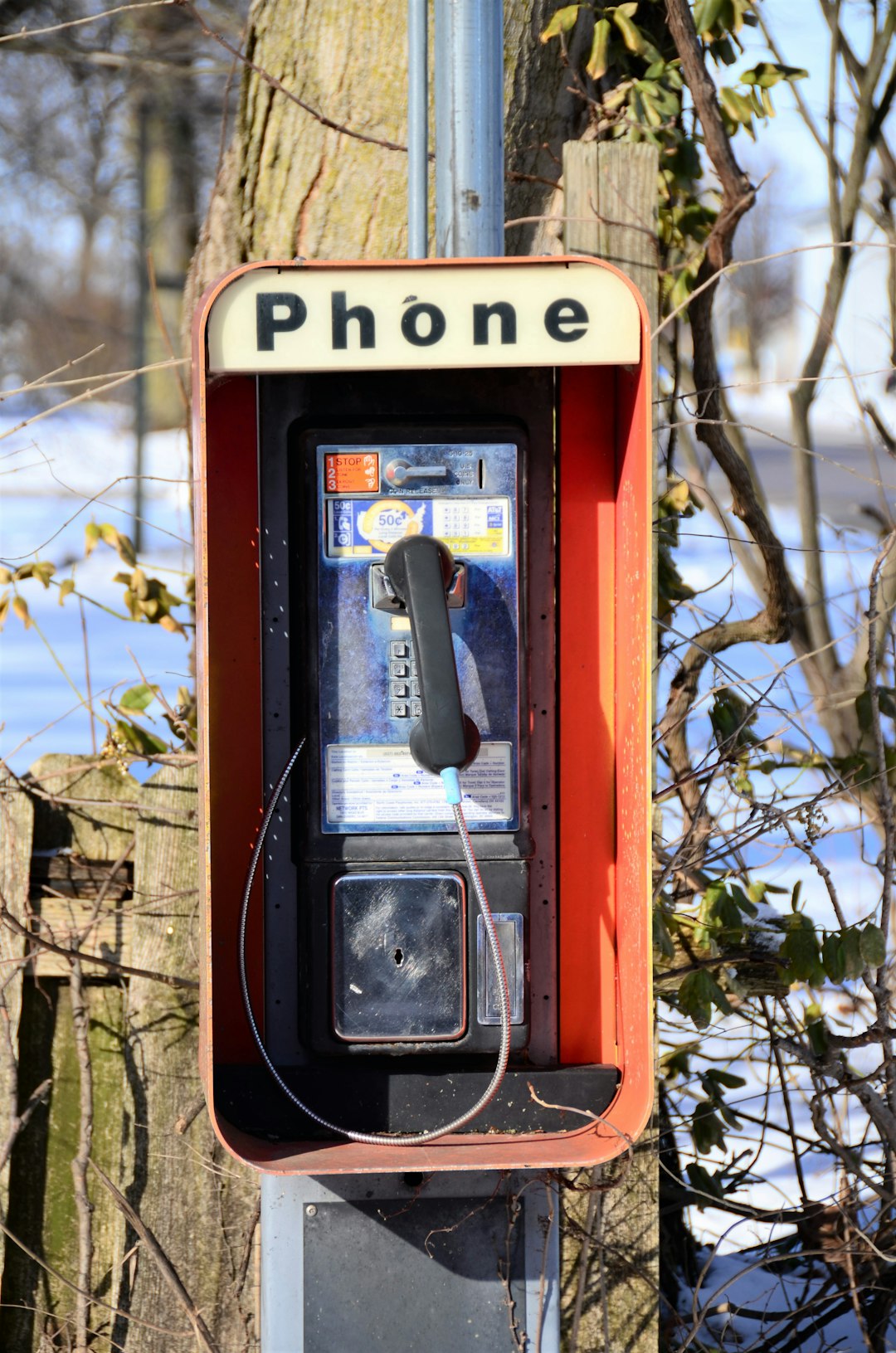
Vermont residents face persistent robocalls and spam texts despite federal (TCPA) and state Do Not Call laws. The Attorney General's Office enforces these rules, but violators remain. Specialized robocall lawyers in Vermont offer crucial legal guidance, block unwanted calls, seek damages, and negotiate to protect personal information. Key strategies include education, business measures, technology, and proactive consultation with legal experts.
In the digital age, Vermont residents like you face an increasingly common nuisance: unwanted robocalls and texts. These automated messages, often marketing or fraudulent in nature, can be relentless and intrusive. As technology advances, so do the tactics of spammers, making it more challenging to protect your personal privacy. This is where expertise matters. As a reputable law firm specializing in robocall laws and Do Not Call regulations in Vermont, we offer tailored solutions to combat this growing issue. Our team of dedicated robocall lawyers and attorneys understands Vermont’s spam call laws and will empower you to take action against unwanted communications.
Understanding Robocalls and Spam Calls in Vermont

Unwanted robocalls and spam texts have become a persistent problem for Vermont residents, overwhelming phone lines with promotional messages and fraudulent schemes. While many states have implemented Do Not Call registries and laws to combat this issue, Vermont’s specific regulations and legal protections offer a nuanced approach to addressing these intrusions. Understanding the nature of robocalls and spam calls is essential for both residents and businesses operating within the state.
Robocalls, automated telephone communications that deliver prerecorded messages, have evolved from mere advertising tools into a significant source of consumer frustration and potential harm. In Vermont, as in many other states, certain types of robocalls are explicitly prohibited under the Telephone Consumer Protection Act (TCPA). This federal law mandates consent for calls using automatic dialing systems or pre-recorded messages, except under specific circumstances. Spam calls, unsolicited text messages promoting products or services, also fall under similar legal frameworks, with Vermont’s Attorney General’s Office actively enforcing these rules.
The impact of robocalls and spam texts is profound. According to recent studies, over 70% of Americans consider robocalls the most annoying form of unsolicited communication. Moreover, many spam calls originate from out-of-state or international numbers, making it challenging for law enforcement to trace and hold perpetrators accountable. To combat this growing issue, Vermont residents are advised to familiarize themselves with their rights and available legal avenues. Consulting a robocall lawyer in Vermont or a spam call law firm specializing in TCPA litigation can provide crucial guidance on how to stop unwanted texts and protect one’s privacy. By staying informed and taking proactive measures, Vermonters can navigate this complex legal landscape and reclaim control over their communication channels.
Legal Recourse: Consulting a Robocall Lawyer in Vermont

In Vermont, as across the nation, the proliferation of unwanted robocalls and spam texts has become a significant nuisance for residents. While many people have learned to recognize and block these calls, others continue to be victimized by persistent and unlawful robocallers. Legal recourse is available for Vermont residents who have suffered as a result of unwanted texts and automated phone calls. Consulting a robocall lawyer in Vermont can provide crucial guidance and representation under state laws designed to protect consumers from deceptive practices.
Vermont’s Do Not Call laws, implemented by the Attorney General’s Office, offer a starting point for addressing robocalls and spam texts. These laws prohibit telemarketers from making unsolicited calls or sending text messages to individuals who are on the state’s “Do Not Call” list. However, when legal protections are violated, victims may require the expertise of a robocall attorney in Vermont to seek compensation and deter future misconduct. The Attorney General’s Office can offer advice and refer residents to qualified legal professionals specializing in these cases.
A robocall lawyer Vermont or spam call law firm Vermont will be familiar with the state’s specific regulations, such as the Telephone Consumer Protection Act (TCPA). This federal law imposes strict penalties on telemarketers who violate consumer privacy rights. If you have received unwanted texts from unknown sources or been targeted by persistent robocalls, a lawyer for unwanted texts Vermont can help. They will assess your case, gather evidence, and represent you in negotiations with the culprits or in court if necessary. For instance, a successful lawsuit against a violator could lead to substantial monetary damages for each violation, serving as a powerful deterrent to other potential offenders.
Do Not Call Laws: Protecting Your Rights in Vermont

In Vermont, residents enjoy protections against unwanted texts and robocalls thanks to stringent Do Not Call laws. These regulations are designed to empower individuals by limiting the number of intrusive marketing messages they receive. According to a recent study, Vermonters reported some of the lowest rates of spam calls in the nation, demonstrating the effectiveness of these measures. However, despite these protections, residents still face challenges from persistent robocallers and aggressive text message campaigns.
The Do Not Call laws in Vermont are enforced by the Attorney General’s Office, which works closely with various telecommunications providers to identify and penalize violators. Individuals who register their phone numbers on the state’s official Do Not Call list receive enhanced protections against telemarketing calls and texts. If a consumer receives an unwanted call or text from a registered number, they can file a complaint directly with the Attorney General’s Office, which investigates each case thoroughly. This robust framework ensures that Vermonters’ privacy rights are respected and upheld.
To combat the growing problem of robocalls and spam texts, many residents turn to specialized legal assistance from robocall lawyers in Vermont or spam call law firms. These experts possess in-depth knowledge of the state’s laws and can provide strategic guidance on dealing with persistent violators. A robocall attorney in Vermont can help individuals file formal complaints, seek damages for violations, and even negotiate with telemarketers to stop unwanted communications. By leveraging their legal expertise, residents can protect themselves from relentless robocalls and take proactive measures to safeguard their personal information.
Effective Strategies to Stop Unwanted Texts and Calls

Unwanted texts and robocalls have become a pervasive issue for Vermont residents, leading many to seek effective solutions. As these intrusions can be frustrating and even illegal, it’s crucial to understand the available strategies to combat them. This section offers an in-depth look at practical measures individuals and businesses can take to stop unwanted texts and calls, emphasizing the importance of knowledge and legal recourse.
One of the primary defenses against robocalls is education. Vermont residents should familiarize themselves with the state’s Spam Call laws and the Federal Communications Commission (FCC) regulations. The FCC provides robust protections against automated telemarketing calls, including text messages. Many robocall lawyers in Vermont and spam call law firms actively assist citizens in navigating these rights. Awareness of one’s legal standing empowers individuals to take action. For instance, blocking numbers through device settings is a basic yet effective first step. Additionally, registering on the National Do Not Call Registry can curb many unwanted calls within 30 days.
For businesses, implementing stringent call screening and monitoring systems is essential. Employing advanced technologies that identify and block robocalls can significantly reduce the volume of unsolicited texts and calls. Some robocall lawyers in Vermont also suggest adopting comprehensive privacy policies and training employees on recognizing and reporting suspicious activity. Moreover, providing clear opt-out mechanisms during interactions ensures compliance with legal standards. Data from the FTC reveals that many robocalls originate from call centers that disregard do-not-call requests, underscoring the need for both individual vigilance and robust corporate policies.
Ultimately, staying informed and proactive is key to minimizing the impact of unwanted texts and calls. Consulting with a robocall attorney in Vermont or a specialized law firm can offer tailored guidance and legal options. By combining technological defenses, regulatory awareness, and diligent practices, Vermont residents and businesses can reclaim control over their communication channels.
Related Resources
Here are some authoritative resources for an article on stopping unwanted texts and robocalls in Vermont residents:
1. Federal Communications Commission (FCC) (Government Portal): [Offers regulations, guides, and updates on telecommunications laws.] – https://www.fcc.gov/
2. Vermont Attorney General’s Office (Legal Resource): [Provides consumer protection information and guidance specific to Vermont residents.] – https://ag.vermont.gov/
3. National Do Not Call Registry (External Database): [Maintains a registry of numbers to be excluded from telemarketing calls, including text messages.] – https://donotcall.gov/
4. University of Vermont Extension (UVE) – Consumer Education (Academic Study): [Offers research-based advice on consumer protection and privacy.] – https://extension.uvm.edu/consumer-education/
5. Better Business Bureau (BBB) (Industry Leader): [Monitors business practices, provides dispute resolution, and offers tips on avoiding scams and unwanted calls.] – https://www.bbb.org/
6. Consumer Reports (CR) (Consumer Advocacy): [Provides independent reviews, testing, and advice on consumer issues, including privacy and telemarketing.] – https://www.consumerreports.org/
7. Vermont Public Service Board (PSB) (Government Agency): [Regulates public utilities in Vermont, addressing issues related to telecommunications services.] – https://www.psb.vermont.gov/
About the Author
Meet Dr. Emily Taylor, a renowned telecommunications expert and lead researcher at Vermont’s Tech Innovation Lab. With over 15 years of experience, she has dedicated her career to combating robocalls and protecting consumers. Dr. Taylor holds a Ph.D. in Electrical Engineering and is certified by the National Robocall Mitigation Council. Her groundbreaking research on AI-driven call blocking systems has been featured in leading tech publications, and she actively shares insights on LinkedIn. She specializes in developing innovative solutions to stop unwanted texts and robocalls, ensuring Vermont residents’ privacy and peace of mind.